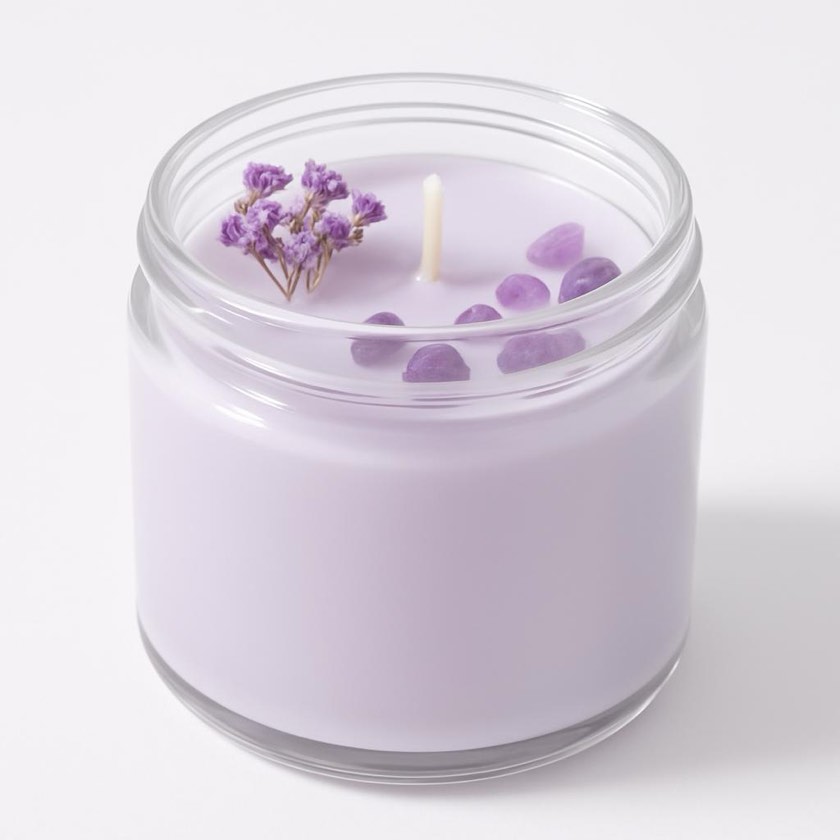


I choose a candle colour after I have written the intention, not before. Colour can help hold my attention on a particular quality, but it does not decide what another person will feel or do. The useful question is not “Which colour gets the strongest result?” It is “Which colour best expresses the kind of love I am prepared to practise?”
Pink, red, and white each offer a different emphasis. None is more powerful in every situation. The right choice is the one that keeps your words clear and your conduct respectful.
Pink for tenderness and mutual affection
I use pink when the intention concerns warmth, friendship within a partnership, gentle courtship, or a kinder way of speaking. It suits a petition that asks for affection to be freely offered and received.
A simple pink-candle line might be:
Pink-candle wording: I welcome affection that grows through patience, mutual interest, and honest care.
Pink is also helpful when you are repairing your own tone before a conversation. You might ask yourself whether you can speak without sarcasm, listen without preparing a defence, and accept an answer you did not hope to hear. Those questions make the colour practical.
Do not mistake gentleness for passivity. A tender intention can still include a firm boundary:
Boundary wording: I offer warmth where it is returned, and I step back from attention that is inconsistent or unkind.
Red for vitality and direct desire
Red can represent passion, courage, physical attraction, and the willingness to say what you want plainly. I use it when the central task is honest expression rather than quiet reflection.
Because red feels intense, I check the petition for commands before lighting the candle. Desire should not become entitlement. Rather than naming what another person must do, name the energy and honesty you want to bring:
Red-candle wording: I meet desire with confidence, clear consent, and respect for every answer.
Red can also suit an established relationship that needs deliberate time and attention. In that case, write a specific shared invitation, such as planning an evening without distractions or asking what helps each person feel close. The candle marks the conversation you intend to begin. It does not replace that conversation.
If anger is mixed into the situation, wait until you can distinguish the wish for closeness from the wish to win. A red candle is not a useful reason to send a message while emotions are running the exchange.
White for clarity and an open path
I choose white when the situation is uncertain, when I do not know which colour fits, or when clarity matters more than a preferred answer. White can represent plain truth, a clean beginning, and room to see the relationship as it is.
Try wording such as:
White-candle wording: May I see this connection clearly, speak truthfully, and choose the path that protects dignity on both sides.
White is a sound choice when you are deciding whether to contact someone, setting a boundary after mixed messages, or beginning again after a period of rest. It does not mean the situation is empty of feeling. It means you are giving truth more space than urgency.
Choosing one colour or combining them
One candle is enough for a focused working. If your petition has several themes, choose the theme that should guide the others. For example, choose pink if tenderness should guide a reconciliation conversation. Choose white if clarity should guide a new attraction. Choose red if direct, consensual expression is the task.
You can use two colours if each has a clear job. Place a white candle beside a pink one for clarity and affection, or white beside red for clarity and courage. I avoid adding colours merely to make the setup feel more impressive. A crowded table can make a simple intention harder to follow.
A safe, simple candle practice
Write one or two sentences on plain paper. Put the candle in a stable holder on a clear, heat-resistant surface. Keep it away from curtains, dried plants, paper, pets, and children. Never leave a burning candle unattended, and extinguish it when you need to leave the room. A battery candle is a sensible option where flame is not appropriate.
Read the petition slowly. Then write one action beneath it: ask a direct question, make a respectful invitation, keep an agreed boundary, or allow space after one unanswered message. Sit for a few minutes with the colour and the quality it represents. Close by deciding when you will take that action.
Judge the choice of candle by whether it helped you stay with your real intention. Pink can remind you to be tender, red to be brave and direct, and white to be clear. The meaning becomes useful when your next step carries the same quality.