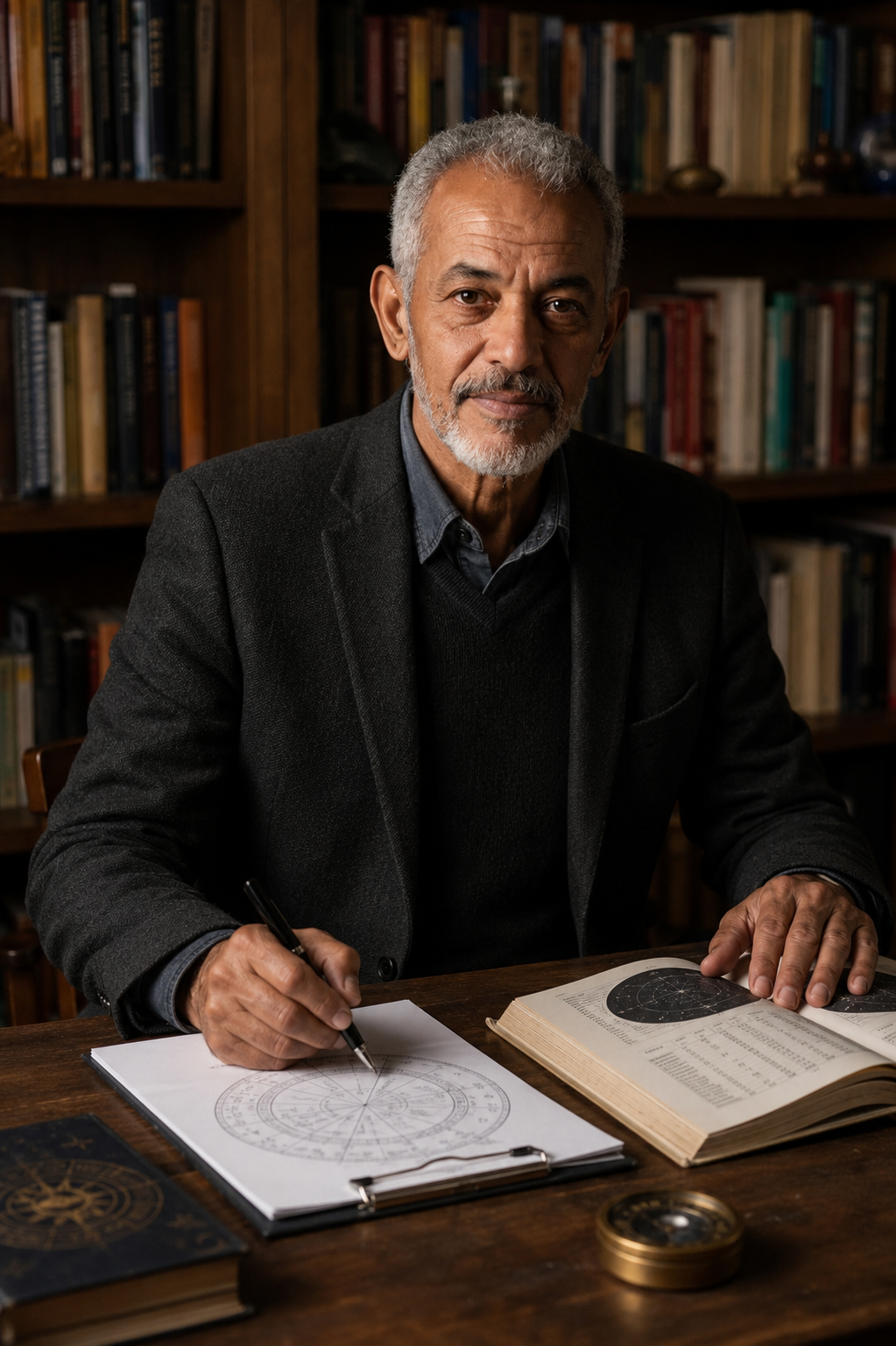

For at a relationship crossroads, I would use the Commitment Spell to organise preparing a direct question about what each person wants next. The form is already set to this spell, but the useful wording depends on the precise facts, boundary, and decision in front of you. I would not use the ritual to erase an inconvenient fact or assign another person an answer.
Why this version needs its own wording
The base spell concerns preparing for an honest conversation about shared expectations and commitment. This page narrows it to preparing a direct question about what each person wants next. Name that difference plainly. A useful petition for at a relationship crossroads should show what has already happened, what remains uncertain, and which action belongs to you. Include another person’s name only when it changes the wording, and leave out private details that do not affect the decision.
I am Carole Bellamy. She names the real situation, separates choice from control, and builds a simple working around one honest next step. The prompt begins, “I am asking for help at a relationship crossroads. My situation is:” Continue it with one concrete fact, one condition that must be respected, and one next step you can recognise in ordinary life.
Sort fact, inference, and request
Divide a page into three boxes. In the first, record only the fact connected with at a relationship crossroads. In the second, write the interpretation you have been adding to that fact. In the third, write a request that would support preparing a direct question about what each person wants next. This separation matters because an unanswered message, a delayed decision, a difficult conversation, and a clear refusal all carry different information.
Read the boxes in reverse order. Ask whether the request still makes sense when you remove the interpretation. If it does, keep it. If it depends on knowing another person’s private thoughts or predicting a decision, rewrite it around a question you can ask, a boundary you can state, or preparation you can complete.
Give the symbol one job
Use the central item from paired candles, direct wording, and a question that can be answered without pressure only as a marker between the three boxes. Move it from fact to request after you have checked the inference. The movement represents your decision to work from what is known. Close by circling one verb in the request and writing the real action that verb requires.
Close this specific working
Put out or turn off every light source, clear the surface, and read the chosen action without the symbolic objects around it. For at a relationship crossroads, that final sentence should still make sense if nobody else responds as hoped. Keep qualified care, financial advice, workplace channels, or safety support in place whenever the subject requires them.
Carole Bellamy’s closing note
I begin with the part of the relationship you can speak about honestly, then I shape the working around consent and a clear next conversation. On this page, that means staying with preparing a direct question about what each person wants next. Another person keeps the right to choose, refuse, pause, or leave. The working stays centred on honest invitation, mutual interest, repair you can offer, and the boundaries you can maintain.
After closing, record how the chosen action addresses at a relationship crossroads. Review only facts relevant to preparing a direct question about what each person wants next, and do not turn coincidence into proof. Stop if the work increases fear, pressure, repeated checking, or avoidance.