

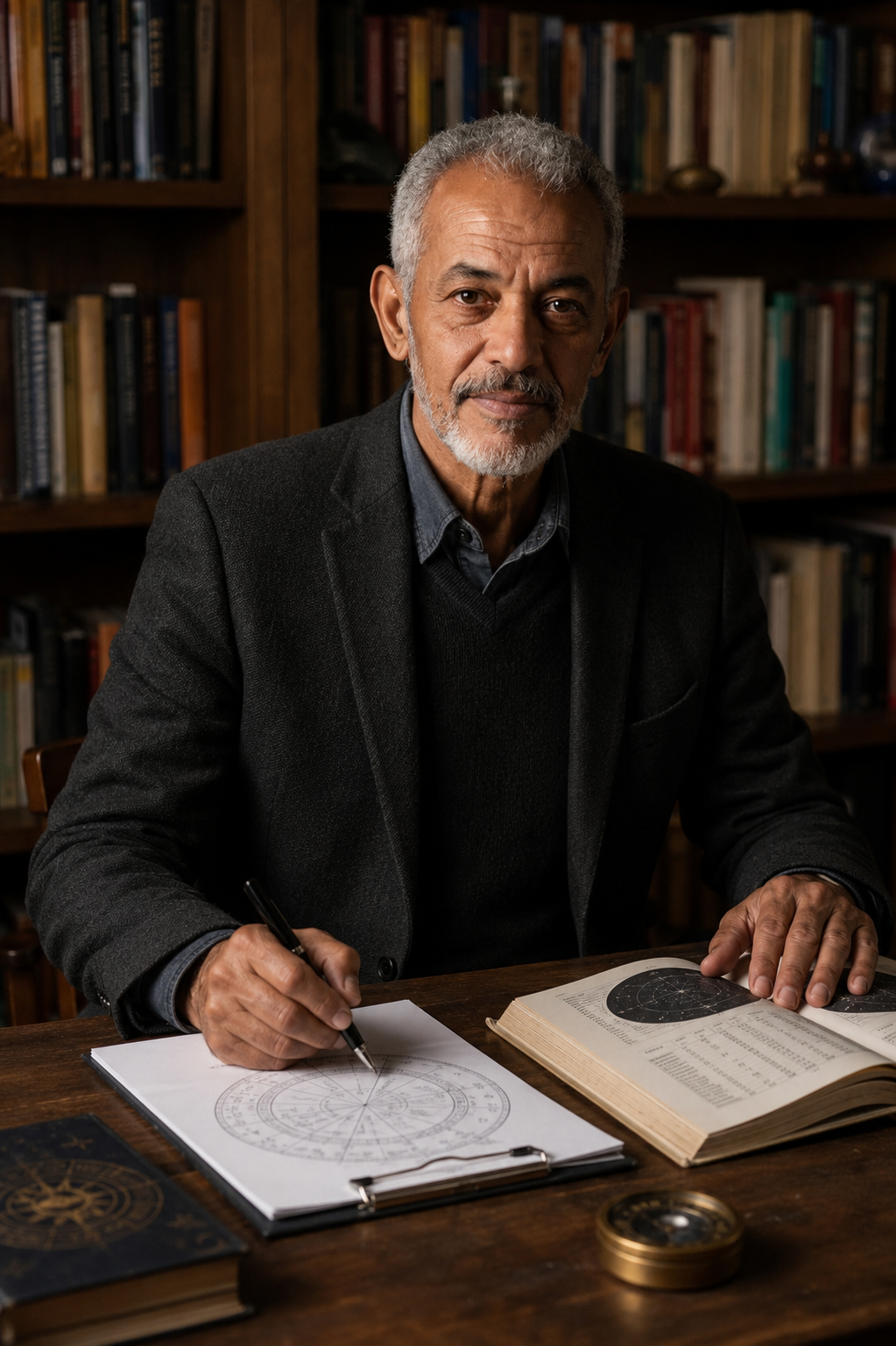
To work with recording intention, materials, practical action, and reflection without treating coincidence as proof, begin with the situation and use only the materials that make the process safer or clearer. This method is deliberately simple. It does not require a special purchase, and each object can be replaced by a written word when availability, privacy, allergies, animals, smoke, or flame make the original unsuitable.
What you need
Set out a blank piece of paper, a pen or pencil, and a stable surface. Add one optional focal item connected to the intention. Keep a safe way to extinguish any candle nearby, or choose a flame-free light from the start. Bring in the facts of the situation as you understand them, including any boundary, requirement, or practical support that must not be ignored.
Steps
- Date the entry.
- Copy the exact petition.
- List materials and substitutions.
- Record the practical action.
- Review observable choices without inventing certainty.
Read through the full sequence before beginning. The order protects clarity: define the purpose before choosing the symbol, make safety decisions before lighting anything, and name the practical action before closing. If a step does not fit the situation, omit it and record why. A shorter process that you understand is more useful than a complicated process copied without context.
Apply the method to your situation
The related Education Spell form is prefilled for recording intention, materials, practical action, and reflection without treating coincidence as proof. Continue the prompt with one concrete fact and one action within your control. If another person appears in the petition, revise the sentence until their right to choose remains clear. If the topic involves work, money, study, safety, or health, name the real-world source of information or support you will use.
During the practice, keep materials contained and the working surface uncluttered. Do not burn loose plants, pour hot wax, apply uncertain oils, ingest ritual ingredients, or leave flame unattended. A coloured pencil, folded note, bowl of plain water, or empty holder can do the symbolic work without adding avoidable risk.
Close and review
Say that the process is complete, cool or turn off every light source, and return the room to ordinary use. Record the wording and the next action. When you review the entry, look for what you prepared, communicated, stopped, or understood. Do not grade the process by coincidence or use repetition to avoid a clear answer.
Tara Byrne’s closing note
I start by naming the practical decision beside the ritual intention, because useful wording should tell you what you can do next. On this page, that means staying with recording intention, materials, practical action, and reflection without treating coincidence as proof. For financial, work, or education decisions, use reliable records and qualified advice where the consequences are significant. The ritual is a focusing structure, not evidence that an opportunity is certain.
After closing, record how the chosen action addresses recording intention, materials, practical action, and reflection without treating coincidence as proof. Review only facts relevant to recording intention, materials, practical action, and reflection without treating coincidence as proof, and do not turn coincidence into proof. Stop if the work increases fear, pressure, repeated checking, or avoidance.