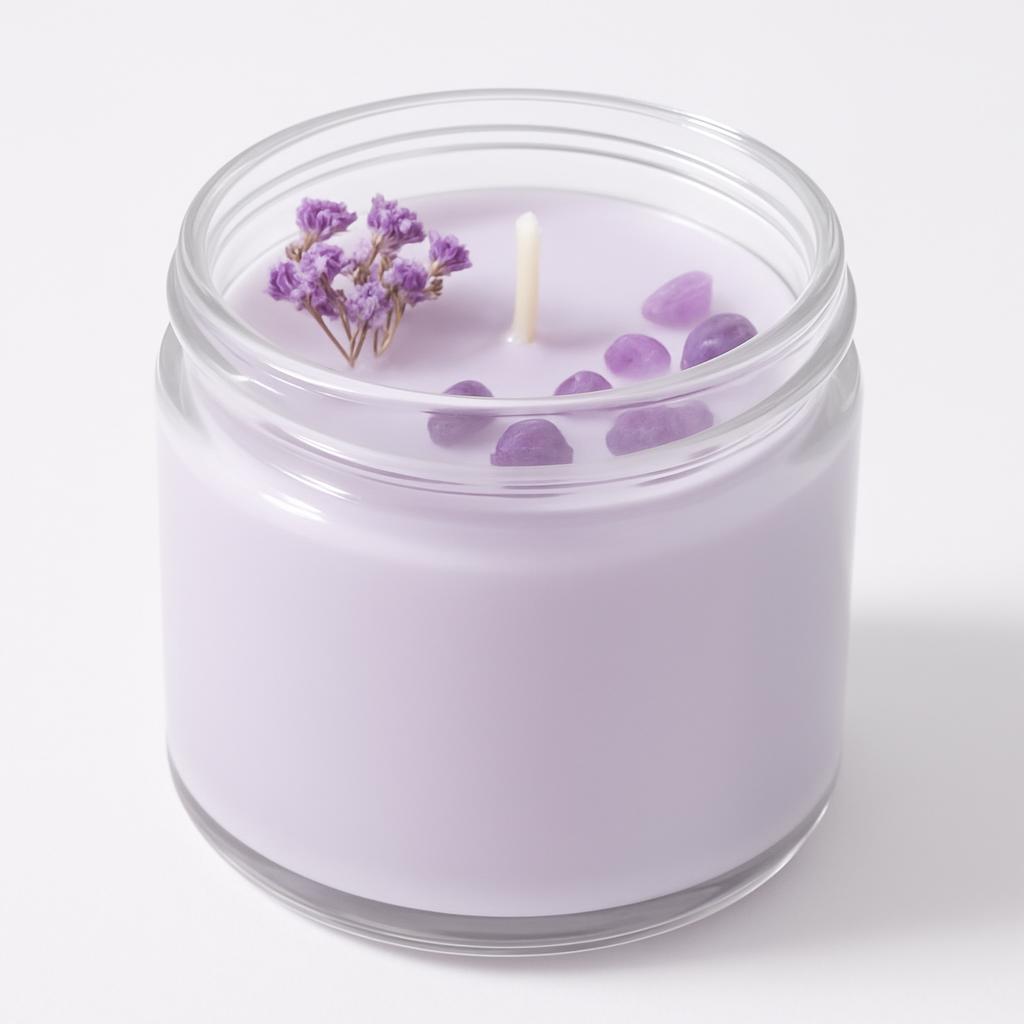


Amethyst appears here as a crystal associated with reflection, boundaries, and settled attention. I use those associations as writing prompts, not as properties that decide an outcome. For working with amethyst, begin by choosing the one quality that best names the conduct or boundary you need. A drawing, written name, colour, or empty place can stand in for Amethyst.
Read each association separately
Work through the meanings of Amethyst one at a time. Keep only the quality that clarifies working with amethyst.
Reflection
Choose a verb for reflection, such as ask, prepare, notice, release, protect, or welcome. Pair that verb with Amethyst and test it against working with amethyst. Reject any wording that turns the verb into a command for someone else. Keep the version that names your role accurately.
Boundaries
Give Amethyst one narrow job: hold your attention on boundaries. Write a useful example and an unhelpful example of that quality. The contrast prevents a broad symbolic word from hiding pressure, avoidance, or wishful certainty. Keep the example that can be checked through your own behaviour.
And settled attention
Compare and settled attention with the full focus of this page: using amethyst as a symbol of reflection, boundaries, and settled attention. Circle the part that belongs in the petition and cross out any part that merely sounds traditional. Amethyst remains useful only when its chosen meaning clarifies the request rather than adding decoration or authority.
Test the wording without the object
Cover Amethyst and read the petition aloud. The sentence should still explain reflection without relying on the object to supply meaning. Uncover the material only after the wording stands on its own. This test is especially useful for a crystal, since familiarity or appearance can tempt you to keep a symbol that does not fit the actual request.
Test the clearing plan before beginning. Make sure the container closes, the surface can be cleaned, and Amethyst has a responsible destination. If any part is uncertain, choose paper instead. A complete ending supports reflection more clearly than leaving this crystal out after the reflective work is finished.
Handling Amethyst
Use any small stone-like object if needed and keep the piece where it cannot fall. Keep the original label for Amethyst, identify unknown material before handling it, and choose a written substitute whenever the ordinary directions or household setting make use uncertain.
For a substitute, write “reflection” on paper or choose a familiar colour. Preserve the meaning, not the physical form.
Connect the material to a free spell
The matching page is Self Love Spell, focused on practising self-respect without demanding perfection or constant confidence. Use it only when that focus fits working with amethyst. Clear Amethyst under ordinary local rules and do not leave ritual material outdoors.
Ruth Marlowe’s closing note
I begin by taking shame and punishment out of the request, then I look for a form of care you can recognise in ordinary life. On this page, that means staying with using amethyst as a symbol of reflection, boundaries, and settled attention. If the subject touches health, safety, grief, or persistent distress, keep appropriate qualified support beside any reflective practice. The ritual should not isolate you from real help.
After closing, record how the chosen action addresses working with amethyst. Review only facts relevant to using amethyst as a symbol of reflection, boundaries, and settled attention, and do not turn coincidence into proof. Stop if the work increases fear, pressure, repeated checking, or avoidance.