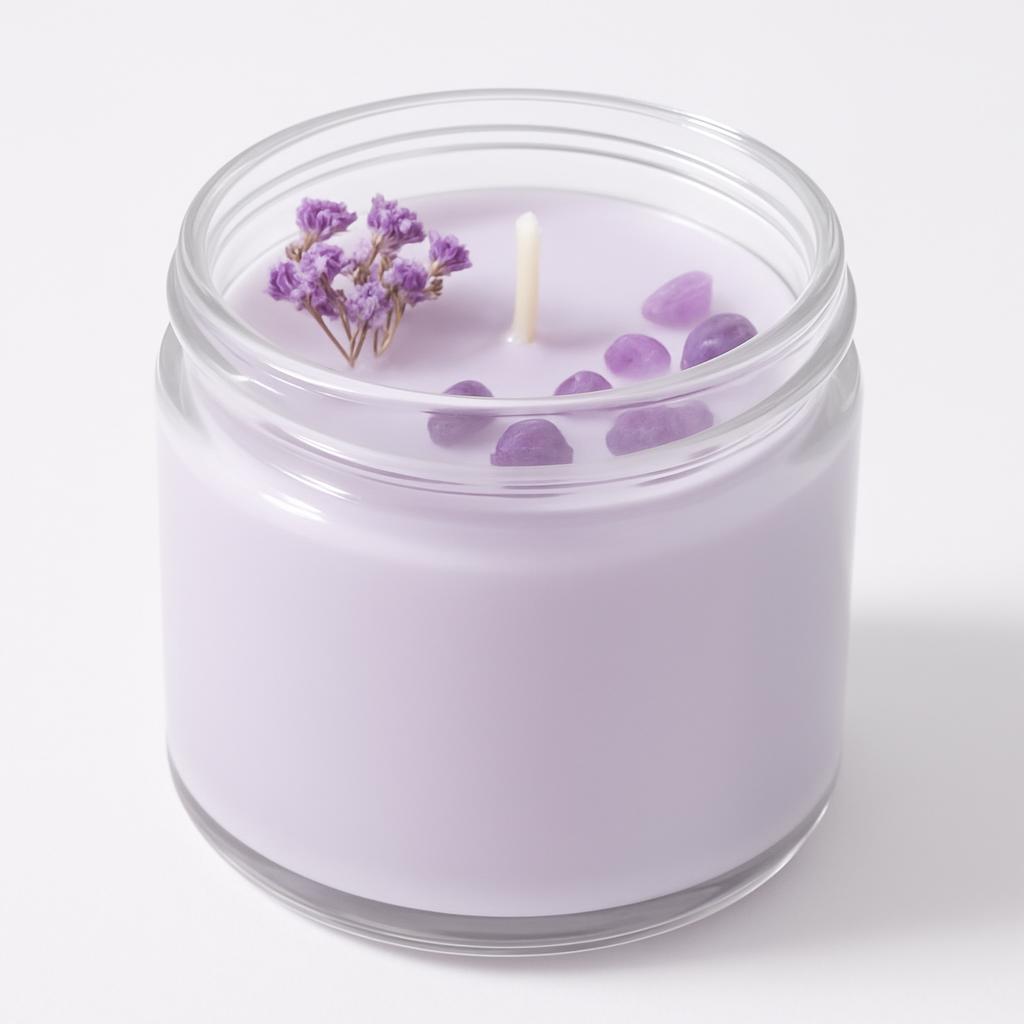


Jasmine appears here as a flower associated with affection, night reflection, and sensory attention. I use those associations as writing prompts, not as properties that decide an outcome. For working with jasmine, begin by choosing the one quality that best names the conduct or boundary you need. A drawing, written name, colour, or empty place can stand in for Jasmine.
Read each association separately
Work through the meanings of Jasmine one at a time. Keep only the quality that clarifies working with jasmine.
Affection
Ask, “What would affection change about my next sentence?” Place Jasmine beside the question and answer without predicting a result. For working with jasmine, the answer might change a verb, add a condition, remove a demand, or identify information that still needs to be gathered.
Night reflection
Place Jasmine on the left of the petition and write night reflection on the right. Between them, add the action that connects symbol to conduct. Read from left to right, then remove the material and read the action alone. If the sentence no longer makes sense, revise it before closing.
And sensory attention
With Jasmine, define and sensory attention in plain conduct before placing the material. Write what and sensory attention would ask you to say, prepare, protect, or stop in the situation behind passion-spell. If the definition depends on another person changing, revise it until your own action is visible.
Build a substitution matrix
Write Jasmine at the top of a page. Beneath it, list a colour for affection, a word for night reflection, and an ordinary object for and sensory attention. Choose the safest entry rather than the closest visual copy. This matrix gives the intention several workable forms without turning a purchase into a requirement.
If the setting is shared, explain Jasmine in ordinary terms before placing it. Household consent matters independently of the petition. Use a closed box or paper representation when this flower would create fragrance, residue, visual concern, or unwanted attention. The quality affection can remain in the wording without occupying the room.
Handling Jasmine
Use a small amount and avoid concentrated fragrance when anyone present is sensitive. Keep the original label for Jasmine, identify unknown material before handling it, and choose a written substitute whenever the ordinary directions or household setting make use uncertain.
For a substitute, write “affection” on paper or choose a familiar colour. Preserve the meaning, not the physical form.
Connect the material to a free spell
The matching page is Passion Spell, focused on inviting warmth and honest desire within a mutually chosen relationship. Use it only when that focus fits working with jasmine. Clear Jasmine under ordinary local rules and do not leave ritual material outdoors.
Carole Bellamy’s closing note
I begin with the part of the relationship you can speak about honestly, then I shape the working around consent and a clear next conversation. On this page, that means staying with using jasmine as a symbol of affection, night reflection, and sensory attention. Another person keeps the right to choose, refuse, pause, or leave. The working stays centred on honest invitation, mutual interest, repair you can offer, and the boundaries you can maintain.
After closing, record how the chosen action addresses working with jasmine. Review only facts relevant to using jasmine as a symbol of affection, night reflection, and sensory attention, and do not turn coincidence into proof. Stop if the work increases fear, pressure, repeated checking, or avoidance.