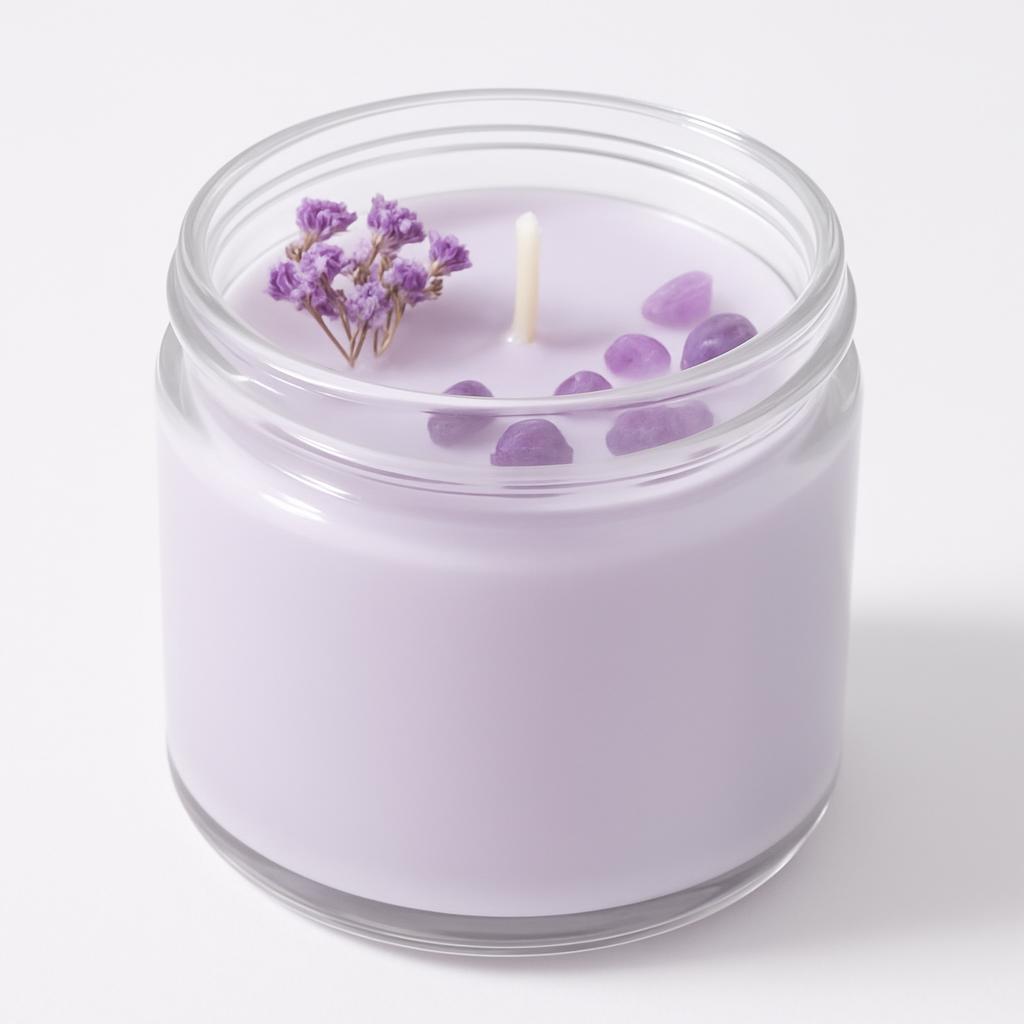


Sandalwood appears here as a wood associated with quiet focus, dignity, and steady reflection. I use those associations as writing prompts, not as properties that decide an outcome. For working with sandalwood, begin by choosing the one quality that best names the conduct or boundary you need. A drawing, written name, colour, or empty place can stand in for Sandalwood.
Read each association separately
Work through the meanings of Sandalwood one at a time. Keep only the quality that clarifies working with sandalwood.
Quiet focus
Compare quiet focus with the full focus of this page: using sandalwood as a symbol of quiet focus, dignity, and steady reflection. Circle the part that belongs in the petition and cross out any part that merely sounds traditional. Sandalwood remains useful only when its chosen meaning clarifies the request rather than adding decoration or authority.
Dignity
Use Sandalwood to close a short reflection on dignity. Record what you already know, what remains uncertain, and what you will do next. Store or clear the material only after the practical line is complete, so the ritual ends with a decision rather than a search for signs.
And steady reflection
Ask, “What would and steady reflection change about my next sentence?” Place Sandalwood beside the question and answer without predicting a result. For working with sandalwood, the answer might change a verb, add a condition, remove a demand, or identify information that still needs to be gathered.
Inventory before intention
Set Sandalwood down before writing the petition and make a short inventory: what it is, where it came from, whether it is safe in this room, and which of its listed meanings you actually intend to use. For this wood, choose quiet focus rather than treating every association as equally relevant. The inventory keeps the object ordinary and prevents the symbolism from outrunning what you know about the material.
Rank three substitutes by safety, availability, and clarity. The winner does not need to resemble Sandalwood. It needs to carry quiet focus without introducing a new problem. Record why it suits this wood role so the substitution remains understandable when you review the petition.
Handling Sandalwood
Choose a responsibly sourced product and use the container or a small chip without burning. Keep the original label for Sandalwood, identify unknown material before handling it, and choose a written substitute whenever the ordinary directions or household setting make use uncertain.
For a substitute, write “quiet focus” on paper or choose a familiar colour. Preserve the meaning, not the physical form.
Connect the material to a free spell
The matching page is Self Love Spell, focused on practising self-respect without demanding perfection or constant confidence. Use it only when that focus fits working with sandalwood. Clear Sandalwood under ordinary local rules and do not leave ritual material outdoors.
Ruth Marlowe’s closing note
I begin by taking shame and punishment out of the request, then I look for a form of care you can recognise in ordinary life. On this page, that means staying with using sandalwood as a symbol of quiet focus, dignity, and steady reflection. If the subject touches health, safety, grief, or persistent distress, keep appropriate qualified support beside any reflective practice. The ritual should not isolate you from real help.
After closing, record how the chosen action addresses working with sandalwood. Review only facts relevant to using sandalwood as a symbol of quiet focus, dignity, and steady reflection, and do not turn coincidence into proof. Stop if the work increases fear, pressure, repeated checking, or avoidance.