
For in a long-term partnership, I would use the Marriage Spell to organise asking what marriage would change in practical and emotional terms. The form is already set to this spell, but the useful wording depends on the precise facts, boundary, and decision in front of you. I would not use the ritual to erase an inconvenient fact or assign another person an answer.
Why this version needs its own wording
The base spell concerns reflecting on shared values, readiness, and the practical meaning of marriage. This page narrows it to asking what marriage would change in practical and emotional terms. Name that difference plainly. A useful petition for in a long-term partnership should show what has already happened, what remains uncertain, and which action belongs to you. Include another person’s name only when it changes the wording, and leave out private details that do not affect the decision.
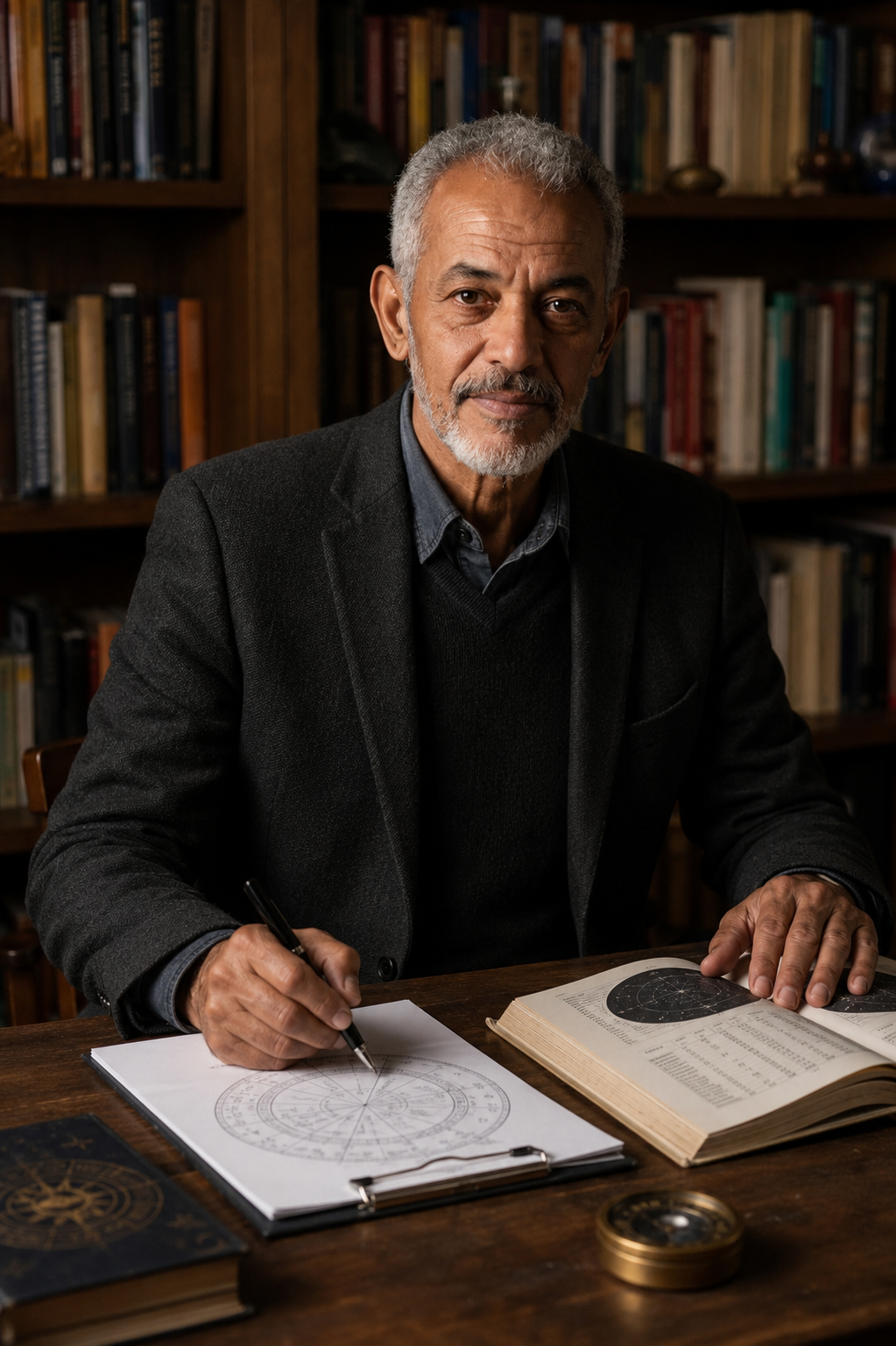
I am Carole Bellamy. She names the real situation, separates choice from control, and builds a simple working around one honest next step. The prompt begins, “I am asking for help in a long-term partnership. My situation is:” Continue it with one concrete fact, one condition that must be respected, and one next step you can recognise in ordinary life.
Draw a boundary map
Place the phrase “my part” on the left of a sheet and “not mine to decide” on the right. Under the first heading, list the words, preparation, contact, limits, or care that belong to you in in a long-term partnership. Under the second, place every reaction, choice, hiring decision, grade, reply, or feeling that belongs elsewhere. Put asking what marriage would change in practical and emotional terms between the columns as the issue you are trying to approach carefully.
The map may reveal that the original petition crosses the centre line. Move each crossed item back to the proper side. A request can welcome reciprocal contact, support courage, or mark a boundary, but it should not assign an answer to somebody else.
Mark the line safely
Adapt two written promises, a white candle, and a prepared conversation about expectations by placing the petition on your side of the map. Keep the other side empty rather than adding a photograph or personal object. Read only your column aloud. Fold the map so the headings meet, then reopen it and check that the boundary remains visible. Finish with one action from your side.
Close this specific working
Put out or turn off every light source, clear the surface, and read the chosen action without the symbolic objects around it. For in a long-term partnership, that final sentence should still make sense if nobody else responds as hoped. Keep qualified care, financial advice, workplace channels, or safety support in place whenever the subject requires them.
Carole Bellamy’s closing note
I begin with the part of the relationship you can speak about honestly, then I shape the working around consent and a clear next conversation. On this page, that means staying with asking what marriage would change in practical and emotional terms. Another person keeps the right to choose, refuse, pause, or leave. The working stays centred on honest invitation, mutual interest, repair you can offer, and the boundaries you can maintain.
After closing, record how the chosen action addresses in a long-term partnership. Review only facts relevant to asking what marriage would change in practical and emotional terms, and do not turn coincidence into proof. Stop if the work increases fear, pressure, repeated checking, or avoidance.