
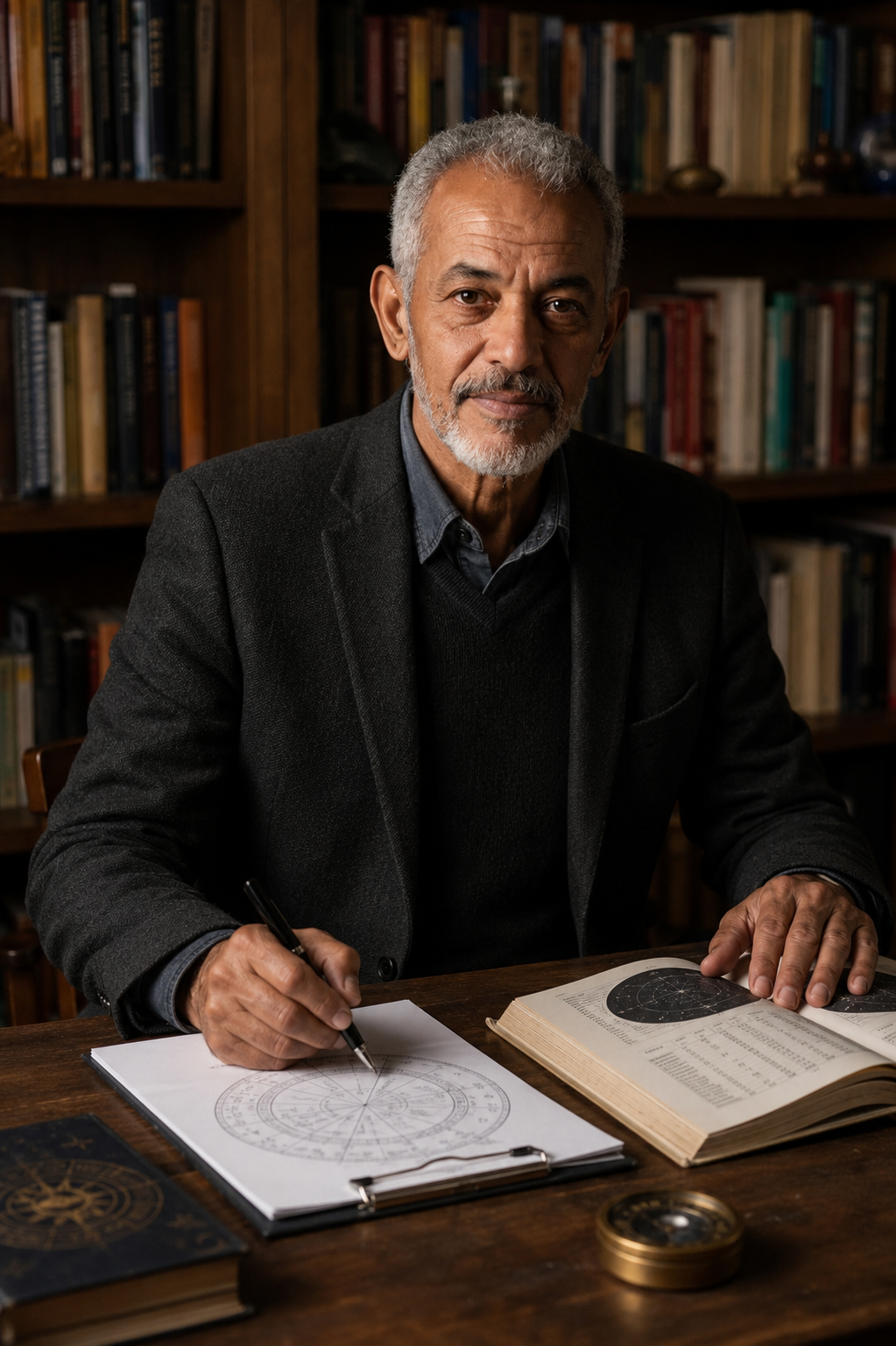
A consent-centred practice should focus on your own choices and invitation, never on controlling, frightening, or overriding another person.
What that answer means in practice
I answer this question directly because uncertainty can make people search for absolute statements that the situation does not support. The relevant focus is is it safe to cast a spell on someone. Start with what can be observed: the words that were exchanged, the boundary that was stated, the application that was submitted, the material that is actually present, or the practical support already in place.
Then separate three things on paper. First, write the fact. Second, write your interpretation of the fact. Third, write the action available to you. This prevents a hope or fear from being mistaken for evidence. If another person is involved, their direct answer and conduct matter more than a sign assigned to a candle, dream, number, song, or coincidence.
A careful way to respond
Use the matching Free Love Spell only if its purpose fits the situation. The form prompt reads, “My question is: Is it safe to cast a spell on someone?” Add the minimum context needed to make the ritual specific. Do not include private information that is unrelated to the request.
Before submitting, revise any sentence that tells another person what they must feel or do. Remove predictions, deadlines, and language that turns uncertainty into certainty. Replace them with a condition such as mutual interest, a boundary you will keep, a question you can ask, or a preparation task you can complete.
After receiving the on-screen spell, read it before using any material. Keep only the parts that are safe and relevant. A free written ritual does not obligate you to act, contact anyone, purchase anything, or continue a practice that increases distress.
When another kind of help fits better
Questions about immediate safety, health, addiction, law, housing, employment rights, or consequential finances need appropriate qualified support. Questions about another person’s private thoughts cannot be settled by ritual. A personal reading from a sister-brand reader may offer reflection, but it also should not be treated as proof or a substitute for facts.
Carole Bellamy’s closing note
I begin with the part of the relationship you can speak about honestly, then I shape the working around consent and a clear next conversation. On this page, that means staying with is it safe to cast a spell on someone. Another person keeps the right to choose, refuse, pause, or leave. The working stays centred on honest invitation, mutual interest, repair you can offer, and the boundaries you can maintain.
After closing, record how the chosen action addresses is it safe to cast a spell on someone. Review only facts relevant to is it safe to cast a spell on someone, and do not turn coincidence into proof. Stop if the work increases fear, pressure, repeated checking, or avoidance.