
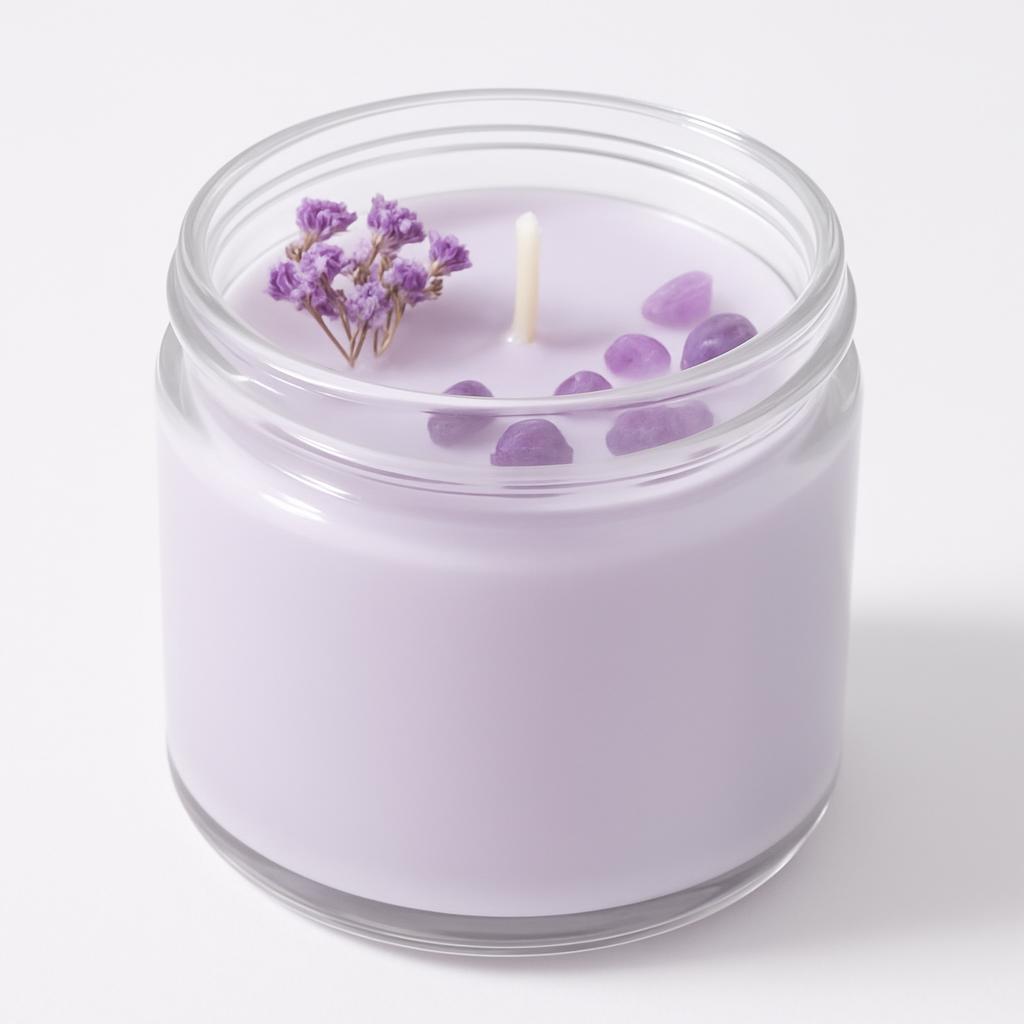

I use this free spell for ending an unhealthy attachment or separating from a pattern without seeking harm. The ritual focus is a dark candle, an untied cord, and a boundary centred on the visitor’s own choices. It is written around the visitor’s stated situation and keeps practical action, consent, and uncertainty visible.
Prepare the request
Write what is happening now, what you want to understand or support, and what remains outside your control. Remove any sentence that promises a result or instructs another person’s feelings. Keep names and private details to the minimum needed for a useful response.
Use the on-screen spell
Submit the short form and read the returned spell before beginning. Check the materials, replace anything unsuitable, and identify the action that follows the reflective work. If the wording does not fit the facts, revise your input rather than forcing the ritual onto the situation.
Keep the focus specific
ending an unhealthy attachment or separating from a pattern without seeking harm can mean different things in different circumstances. Use the situation pages linked below to find language closer to your needs. The materials are flexible, the safety rules are not, and another person’s consent remains their own.
Agnes Fenwick’s closing note
I first identify what needs a boundary and what practical safety step belongs before the ritual, then I keep the working spare and direct. On this page, that means staying with ending an unhealthy attachment or separating from a pattern without seeking harm. If the situation involves danger, stalking, abuse, housing risk, or workplace risk, use appropriate safety services and practical channels first. A private ritual does not replace protection in the world around you.
After closing, record how the chosen action addresses ending an unhealthy attachment or separating from a pattern without seeking harm. Review only facts relevant to ending an unhealthy attachment or separating from a pattern without seeking harm, and do not turn coincidence into proof. Stop if the work increases fear, pressure, repeated checking, or avoidance.