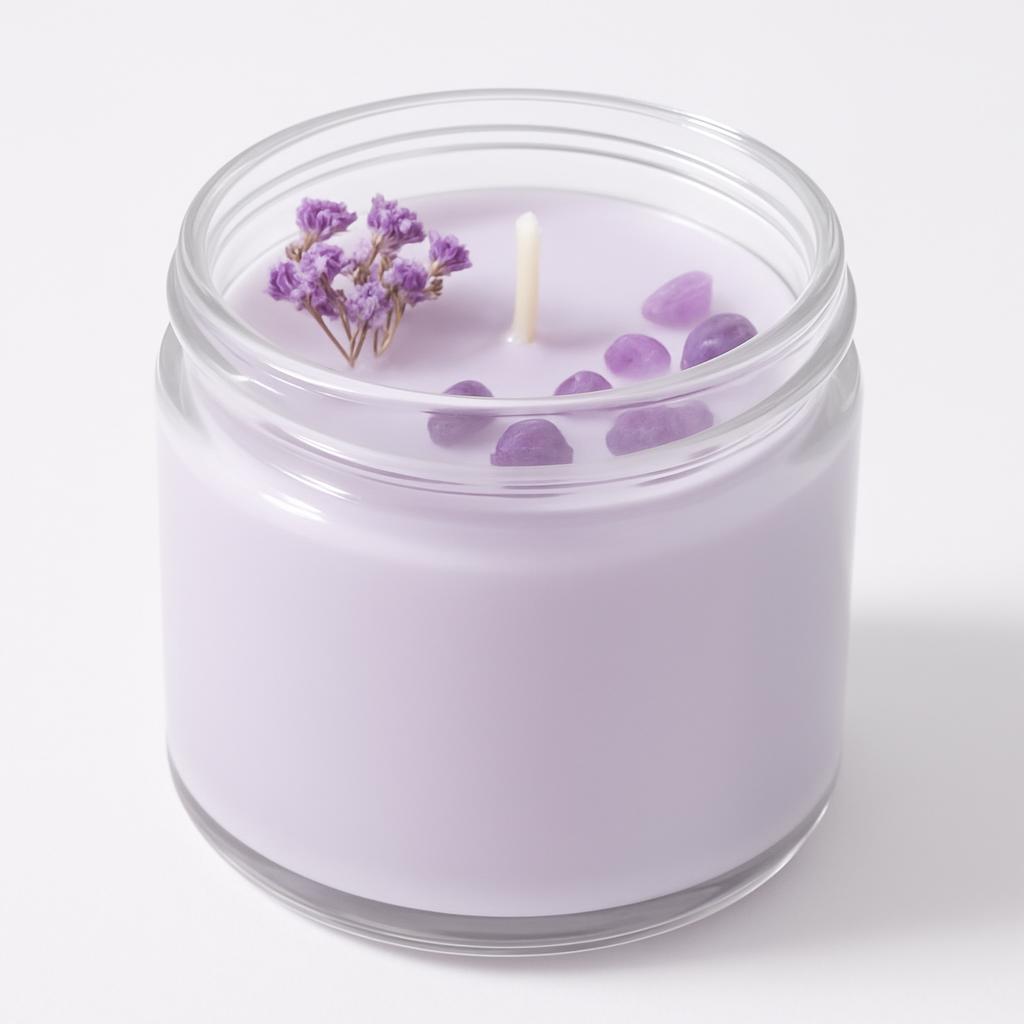


Rosemary appears here as a herb associated with clearing, memory, household protection, and steady attention. I use those associations as writing prompts, not as properties that decide an outcome. For working with rosemary, begin by choosing the one quality that best names the conduct or boundary you need. A drawing, written name, colour, or empty place can stand in for Rosemary.
Read each association separately
Work through the meanings of Rosemary one at a time. Keep only the quality that clarifies working with rosemary.
Clearing
Write clearing at the centre of a small card and place Rosemary above it. Below the word, add one boundary that keeps the quality honest. Patience does not require endless waiting, affection does not cancel consent, confidence does not prove an outcome, and protection does not replace practical safety.
Memory
Choose a verb for memory, such as ask, prepare, notice, release, protect, or welcome. Pair that verb with Rosemary and test it against working with rosemary. Reject any wording that turns the verb into a command for someone else. Keep the version that names your role accurately.
Household protection
Give Rosemary one narrow job: hold your attention on household protection. Write a useful example and an unhelpful example of that quality. The contrast prevents a broad symbolic word from hiding pressure, avoidance, or wishful certainty. Keep the example that can be checked through your own behaviour.
And steady attention
Compare and steady attention with the full focus of this page: using rosemary as a symbol of clearing, memory, household protection, and steady attention. Circle the part that belongs in the petition and cross out any part that merely sounds traditional. Rosemary remains useful only when its chosen meaning clarifies the request rather than adding decoration or authority.
Test the wording without the object
Cover Rosemary and read the petition aloud. The sentence should still explain clearing without relying on the object to supply meaning. Uncover the material only after the wording stands on its own. This test is especially useful for a herb, since familiarity or appearance can tempt you to keep a symbol that does not fit the actual request.
Finish the inventory by writing one reason not to use Rosemary. It might be unavailable, unsafe, wasteful, distracting, or unrelated to clearing. Naming a reason to omit this herb proves that the petition can stand without it and keeps the final choice deliberate.
Handling Rosemary
Use a dry sprig or small dish and avoid smoke if people, pets, or the room make burning unsuitable. Keep the original label for Rosemary, identify unknown material before handling it, and choose a written substitute whenever the ordinary directions or household setting make use uncertain.
For a substitute, write “clearing” on paper or choose a familiar colour. Preserve the meaning, not the physical form.
Connect the material to a free spell
The matching page is Protection Spell, focused on defining a boundary and reinforcing practical care for personal space. Use it only when that focus fits working with rosemary. Clear Rosemary under ordinary local rules and do not leave ritual material outdoors.
Agnes Fenwick’s closing note
I first identify what needs a boundary and what practical safety step belongs before the ritual, then I keep the working spare and direct. On this page, that means staying with using rosemary as a symbol of clearing, memory, household protection, and steady attention. If the situation involves danger, stalking, abuse, housing risk, or workplace risk, use appropriate safety services and practical channels first. A private ritual does not replace protection in the world around you.
After closing, record how the chosen action addresses working with rosemary. Review only facts relevant to using rosemary as a symbol of clearing, memory, household protection, and steady attention, and do not turn coincidence into proof. Stop if the work increases fear, pressure, repeated checking, or avoidance.